Freezers & Storage ◆ Guide
How to Package Deer Meat So It Comes Out of the Freezer Tasting Right
Three packaging methods that work, the one that doesn't, and the freezing steps that decide whether February's backstrap tastes like November's.
We earn a commission if you buy through our links, at no extra cost to you. It never decides the ranking — the method is published · Affiliate disclosure
Trim the bloodshot meat, portion into meal-size packages, get the air out and seal each one in a moisture-vapor-resistant wrap: a vacuum bag, or plastic wrap plus coated freezer paper. Label every package with the cut and the date. Freeze them in a single layer at 0°F or below, and stack them only once they are frozen solid. That is the whole method; the rest of this page is the detail that makes it work.
The guidance here comes from the USDA and university extension services, linked as we go, not from our own freezer trials.
Before you wrap
Keep it cold and clean. Ohio State University Extension says meat should be chilled without delay to 41°F or lower, and that the work area, knives and cutting boards should be cleaned and sanitized. Its sanitizer ratio is 1 tablespoon of unscented chlorine bleach per gallon of water.
Trim bloodshot meat. The National Center for Home Food Preservation says deer and other large game can be handled like any other meat for freezing: trim and discard bloodshot meat, then package, seal and freeze.
Take out the bones you can. The same source says to package in meal-size portions and remove as many bones as possible, because they take up freezer space. Boneless packages also stack tighter, which is how you reach the top of the 20-25 lb per cubic foot range covered in how much freezer space a deer takes.
Portion for how you cook. Pack in amounts you will use at one meal. Ground meat in 1 lb flats, steaks two to a pack, roasts whole. A package you have to thaw and refreeze loses quality every time.
If the deer came from another state or zone, check your state's carcass-transport and CWD rules before you butcher. Rules on moving carcasses and parts vary by state.
What makes a good freezer wrap
Freezer burn is air. The USDA describes it as grayish-brown leathery spots caused by air reaching the surface of the food. It isn't a safety issue, but it wrecks the meat. So the wrap has one job: keep air and moisture where they belong.
- Store wrap is not enough on its own. USDA says it is safe to freeze meat in its original packaging, but that wrap is permeable to air; for long storage, overwrap it.
- Waxed paper is not freezer paper. NDSU Extension lists ordinary waxed paper as not moisture-vapor resistant enough for long freezer storage. Use plastic-coated freezer paper.
- Air out, wrap tight. NDSU's rule for any wrap: press out as much air as possible and mold the wrapping close to the food.
Three methods meet that standard. Which one you use depends on the cut and how many packages you have to make. The trade-offs are argued out in freezer paper vs vacuum sealing.
Method 1: Vacuum sealing
Best for steaks, chops, trimmed roasts and ground meat. The machine does the air removal the same way every time.
- Cut bags from the roll with enough spare length past the meat that the seal area stays clean.
- Fold a cuff over the bag mouth while you load, then unfold it, so blood and fat stay off the seal strip.
- For wet meat, use the sealer's moist setting. University of Maine Extension notes that excess moisture prevents sealing and that lower-end sealers may not handle wet foods. Our wet-meat sealing guide covers the fixes.
- Pad sharp bone ends. Ohio State Extension suggests padding protruding bones with freezer paper or foil so they don't puncture the packaging.
- Seal, check the seal line for wrinkles or gaps, and lay the package flat.
One caution from UMaine: vacuum sealing is not preservation by itself. It doesn't kill anything already on the meat, and vacuum-sealed venison still has to go straight into the freezer.
Method 2: Butcher wrap in freezer paper
Best for bone-in cuts, big roasts and anyone without a sealer. The NCHFP names two acceptable folds, the drugstore wrap and the butcher wrap.
- Double wrap. Illinois Extension recommends it for best quality. Our version: press plastic wrap tight against the meat first, squeezing out the air, then wrap in paper.
- Tear a sheet of freezer paper big enough to cover the cut with generous overlap on every side. Lay it plastic-coated side up, so the coating touches the meat.
- Butcher wrap: set the meat near one corner, fold that corner over it, fold in the two sides tight, then roll the package toward the far corner. Drugstore wrap: bring the long edges together over the meat, fold them down in tight folds until the paper is snug, then fold the ends under.
- Tape every seam with freezer tape. NDSU notes its adhesive is designed to keep working at low temperature.
Method 3: Freezer bags for ground meat
Zipper freezer bags work for ground venison and stew meat if you get the air out. NDSU's method: press the air out starting at the bottom of the bag and working up, or lower the filled bag into a bowl of cold water (without letting water in) so the pressure pushes the air out, then seal. Flatten the meat before sealing: the USDA says a 2-inch-thick package should freeze in about two hours, and a thinner, flatter pack freezes faster and stacks tighter. For patties, the NCHFP says to put two layers of freezer paper or wrap between them so they separate when frozen.
Label everything
The NCHFP says to label each package with the product, any added ingredients, the packaging date and the amount, using freezer tape, freezer marking pens or labels made for freezer use. For venison, add the cut and the deer ("2025 doe, backstrap, 1.5 lb"). NDSU also recommends keeping a written inventory of the freezer and updating it every time something goes in or comes out; we turn that into a system in chest freezer organization.
Freeze fast, then stack
The USDA says to freeze food as fast as possible, because slow freezing forms large ice crystals that damage the meat and make it "drip" and lose juiciness on thawing. Ideally a 2-inch-thick package freezes completely in about two hours. Its instructions: never stack packages to be frozen; spread them out in a single layer, and stack them only after they are frozen solid.
NDSU also suggests setting the freezer to -10°F about 24 hours before a big load, putting new packages against the freezing plates or coils with space between them, and packing them close together once frozen.
How long packaged venison keeps
Frozen at a constant 0°F, the USDA says food stays safe indefinitely; storage times are about quality. The sources give these quality windows:
| Item | Best-quality window at 0°F | Source |
|---|---|---|
| Wild game, uncooked | 8-12 months | USDA FSIS freezer chart |
| Meat, uncooked ground | 3-4 months | USDA FSIS freezer chart |
| Bacon and sausage | 1-2 months | USDA FSIS freezer chart |
| Venison | 6-9 months | Ohio State University Extension |
Eat the ground meat and sausage first. More on storage windows by wrap in how long vacuum-sealed meat lasts.
The gear for each method
With the method settled, the kit is short: a sealer built for a long session, a roll of coated freezer paper for the bone-in cuts, and bags sized for 1 lb portions.
Picks for this job
Packaging gear for a whole deer
One sealer its maker rates for continuous use, one paper roll for bone-in cuts and roasts, one bag size for ground-meat portions.
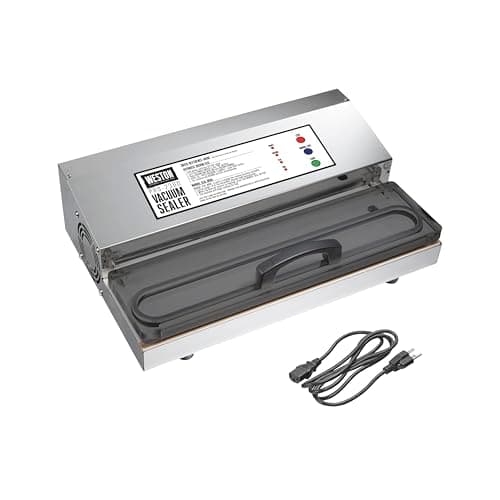
Best for wide cuts
Weston Pro-2300 Vacuum Sealer
Fan-cooled, 1,020 watts and it takes the widest bags in this group (up to 15 inches), but the Pro-2300 manual still asks for 20 seconds between cycles.
$474.45Amazon#ad · Price as of Sep 19, 2026 · Affiliate disclosure for the link to Weston Pro-2300 Vacuum Sealer
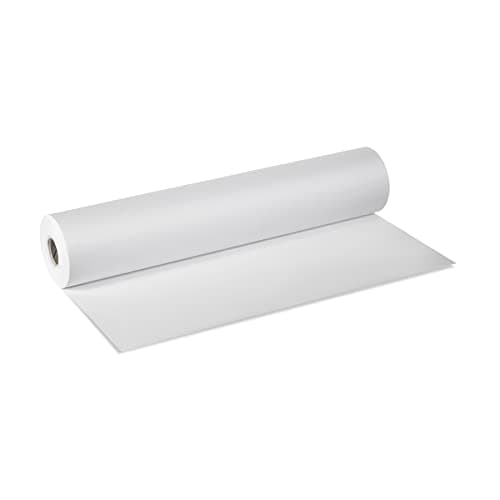
Best freezer paper for a whole deer
Weston Heavy-Duty Freezer Paper Roll, 15 in x 150 ft (83-4000-W)
A heavier 50/15 plastic-coated paper in a cutter box. This is the roll to buy if you butcher-wrap a whole deer.
$22.99Amazon#ad · Price as of Sep 19, 2026 · Affiliate disclosure for the link to Weston Heavy-Duty Freezer Paper Roll, 15 in x 150 ft (83-4000-W)
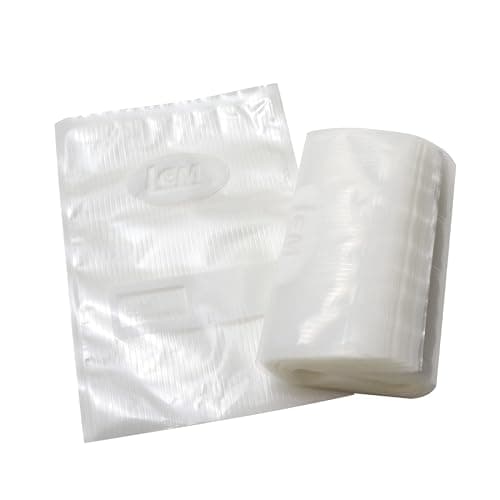
Best pre-cut bags
LEM MaxVac Quart Vacuum Sealer Bags, 8 x 12 in., 100-Count
Pre-cut quart bags with a label panel and tear notch that LEM says work in both suction and chamber sealers.
$41.64Amazon#ad · Price as of Sep 19, 2026 · Affiliate disclosure for the link to LEM MaxVac Quart Vacuum Sealer Bags, 8 x 12 in., 100-Count
The full sealer ranking, judged on duty cycle from the manuals, is in vacuum sealers for wild game.
Questions
Frequently asked
Is it better to vacuum seal or wrap deer meat?
Should you rinse deer meat before freezing it?
How long does packaged deer meat last in the freezer?
Can I refreeze venison that has thawed?
What size packages should I make?
Keep going down the chain
Related
Receipts
Sources
- USDA Food Safety and Inspection Service — Freezing and Food Safety
- National Center for Home Food Preservation (University of Georgia) — Freezing Meats
- National Center for Home Food Preservation — Packaging and Labeling Foods
- NDSU Extension (FN614) — Food Freezing Basics: Packaging, Loading the Freezer and Refreezing
- Ohio State University Extension (CFAES) — Food preservation: freezing meat, poultry, and game
- University of Illinois Extension — Freezer Storage
- University of Maine Cooperative Extension — Vacuum Sealing Safely at Home
- Ohio Department of Natural Resources, Division of Wildlife — Venison Meat Yield (115 deer, 2017 gun season) [PDF]
- Good Meat Project — Freezer Space (pounds of meat per cubic foot)
We haven't bench-tested this gear and we don't pretend to. Specs come from the maker's own pages, manuals and maker-supplied listing copy (labeled as such); food-safety figures from USDA and university extension publications; yield from the Ohio Division of Wildlife; prices live from Amazon. Where a figure isn't published, we say so. Read the full method.