Stage 01 · Break Down
Home Processing
Start here if you are deciding what to buy for the whole season, not just one machine. Three setups sized to one to two, three to five, and six or more deer, the knives and saws that start the chain, and the math on doing it yourself.
We earn a commission if you buy through our links, at no extra cost to you. It never decides the ranking — the method is published · Affiliate disclosure
Start here
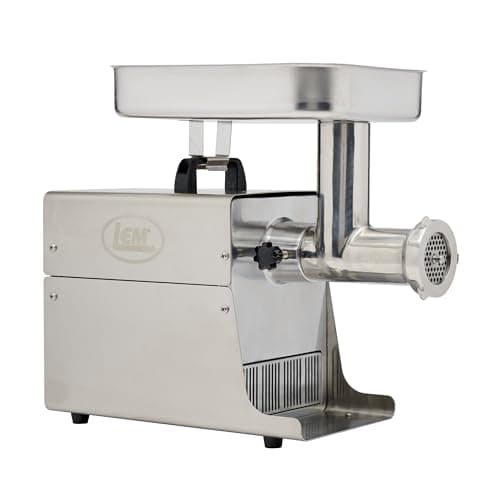
The 1-2 Deer Setup: Home Processing Gear for a Light Season
Our top pick: LEM BigBite #8 Electric Meat Grinder — The honest 1-2 deer grinder: 0.5 HP, up to 7 lb a minute by LEM's figure, a stainless head and a 5-year warranty from a maker that stocks parts.
#ad · Price as of Sep 19, 2026 · Affiliate disclosure for the link to LEM BigBite #8 Electric Meat Grinder
This is the hub for the whole season, not one machine. If you're here, you've probably processed a deer or two with whatever was in the kitchen drawer, and you've found where it breaks: the paring knife that won't reach around a hindquarter, the counter that runs out of room, the grinder that stalls halfway through the trim. The pages below are organized around one question: how much meat do you actually process in a season, and what does it take to keep up with it?
Start with your season, not the shopping list
Every recommendation on this site is sized to a season tier, and the tiers come from published yield data rather than a guess. Ohio's Division of Wildlife weighed 115 deer from the 2017 gun season and found an average of 52.19 lb of venison per deer. Multiply that by the deer you take and you have the number your grinder, sealer and freezer need to handle.
| Season tier | Venison at the Ohio DNR average | Start here |
|---|---|---|
| Light: 1-2 deer | about 52-104 lb | Setup for 1-2 deer |
| Moderate: 3-5 deer | about 157-261 lb | Setup for 3-5 deer |
| Heavy: 6+ deer or a half beef | 313 lb and up | Setup for 6+ deer |
Each setup page picks one tool per stage (knives, grinder, stuffer or dehydrator, sealer, freezer) and totals the season at live prices. If you're between tiers, read the one above. Gear sized for three deer handles two comfortably; gear sized for two deer is what stalls on the third.
DIY or the processor
Before any of that, there's a fair question: should you be doing this yourself at all? A processor charges per deer, every deer, every year. Your own setup costs more up front and less each season after. Our DIY vs processor cost breakdown works out the break-even deer count using named processors' published price lists, not an invented national average. For one deer every other year, the processor may simply be the better deal, and we'll say so. The math tips toward home processing as your deer count climbs, and faster if you already own a freezer or a grinder.
The minimum knife and saw kit
Knives are where home processing starts, and where most upgraders under-buy. You need less than a 12-piece kit suggests, but more than one hunting knife:
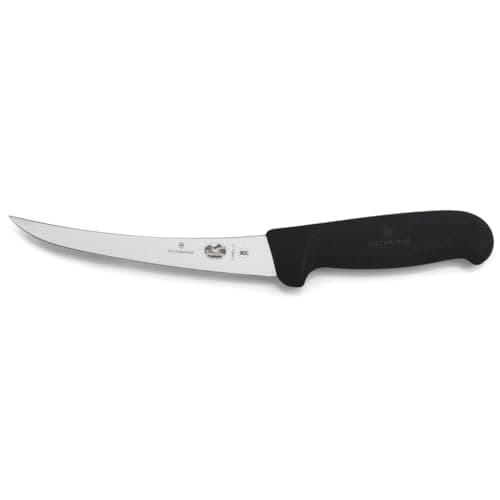
- A 6 in curved semi-stiff boning knife. It takes most of the meat off the bone. Our boning knife guide explains why semi-stiff beats flexible as your first one, and the boning vs fillet comparison covers the knife people try to use instead.
- A curved breaking or butcher knife around 8 in. It turns boned-out muscles into roasts and steaks. See our butcher knife sets.
- A way to keep the edge, whether a honing steel or the sharpener that comes in a kit.
- A saw, only if you want bone-in cuts. If you bone out every deer, you can skip it. If you like chops and shanks, our meat saw roundup starts with a 22 in hand saw, not a bandsaw.
If you'd rather buy it all in one case, our processing kit roundup compares five kits by what they actually contain against a real breakdown. And if you want the order of work before you buy anything, start with how to process a deer at home.
The mistake upgraders make
The common upgrade path goes straight to a bigger grinder. It's the machine that stalled, so it's the one that gets replaced. But grinders often stall on what reaches them: warm meat, sinew and silver skin left on the trim. Those are knife-and-table problems. A sharp boning knife, enough lugs to keep the meat cold while you work, and a clean trimming pass will make a mid-size grinder look better than it did. Fix the front of the chain first, then size the grinder to your season with our grinder sizes explainer.
What the yield numbers mean for you
The Ohio DNR sample averaged 107.56 lb field-dressed and 52.19 lb of venison, a 48.52% yield. Antlered deer averaged 62.51 lb of meat and antlerless deer 45.05 lb. Your deer will differ: the same source notes that size, shot placement and butchering skill all move the number. That's why every page here shows the arithmetic, so you can redo it for your own animals. Our deer yield guide goes deeper, and how much meat from a half cow does the same for bulk beef buyers.
We haven't bench-tested the gear on these pages. Every spec comes from the maker's page, manual or listing copy, and every score follows the rubric on how we pick. The yield figures are from the Ohio DNR venison yield study.
Ranked
Our picks
Season setup
The 1-2 Deer Setup: Home Processing Gear for a Light Season
One pick per stage for a one- or two-deer season: knife kit, #8 grinder, lug, sealer, 7 cu ft chest freezer and a jerky dehydrator, with the season math shown.
Featured: LEM BigBite #8 Electric Meat Grinder · 6 picks
$395.99Amazon#ad · Price as of Sep 19, 2026 · Affiliate disclosure for the link to LEM BigBite #8 Electric Meat Grinder
Season setup
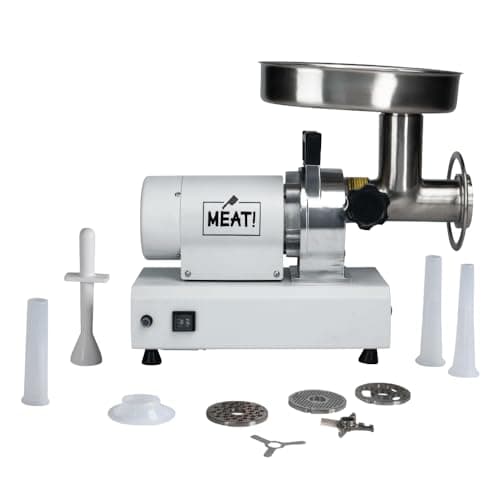
The 3-5 Deer Setup: Where a #12 Grinder Earns Its Keep
A #12 grinder, 5 lb stuffer, 20 lb mixer, a sealer rated for 500 continuous seals, a 12 cu ft chest freezer and a 12-piece knife kit, each sized to a 3-5 deer season.
Featured: MEAT! Your Maker #12 Pro-Grade Meat Grinder (.75 HP) · 6 picks
$579.99Amazon#ad · Price as of Sep 19, 2026 · Affiliate disclosure for the link to MEAT! Your Maker #12 Pro-Grade Meat Grinder (.75 HP)
Season setup
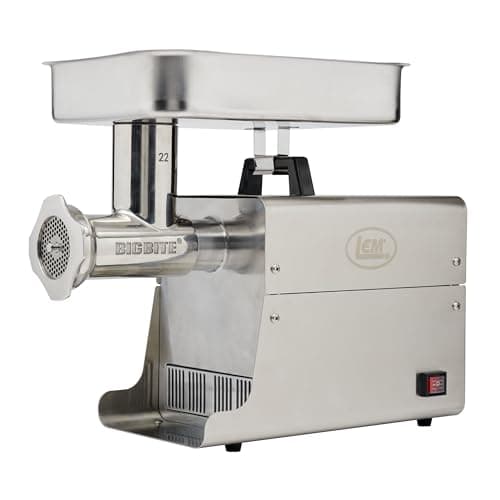
The 6+ Deer Setup: Processing Equipment for Big Seasons and Half a Beef
A #22 grinder, chamber sealer, 11 lb two-speed stuffer, 16.2 cu ft freezer, lugs, a stainless table, a butcher saw and a Victorinox table kit for six-plus deer or a half beef.
Featured: LEM BigBite #22 Electric Meat Grinder (1 HP) · 8 picks
$683.99Amazon#ad · Price as of Sep 19, 2026 · Affiliate disclosure for the link to LEM BigBite #22 Electric Meat Grinder (1 HP)
Our picks
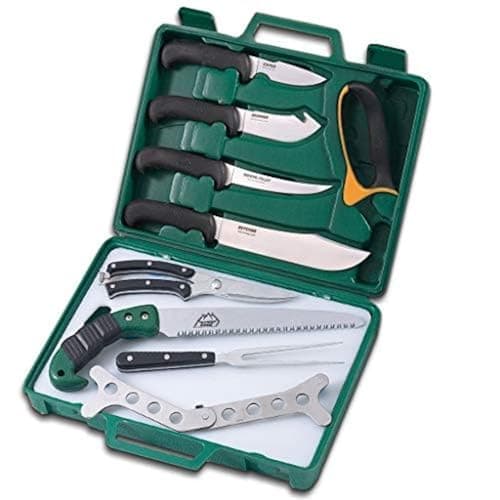
Deer Processing Kits That Cover the Whole Breakdown
Five Outdoor Edge game processing kits scored on blade lengths, saw size and completeness against a real deer breakdown, using the maker's published specs.
Top pick: Outdoor Edge Game Processor PR-1 12-Piece Kit · 5 picks
$67.95Amazon#ad · Price as of Sep 19, 2026 · Affiliate disclosure for the link to Outdoor Edge Game Processor PR-1 12-Piece Kit
Our picks
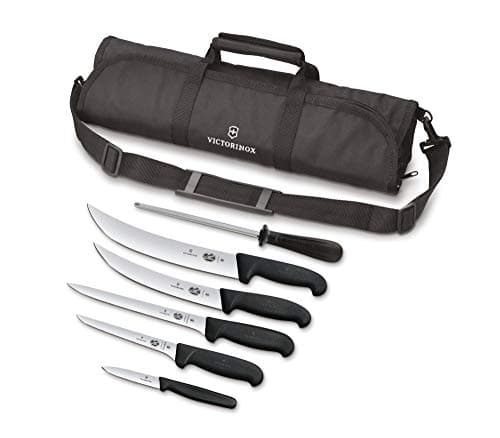
Butcher Knife Sets for Deer and Other Game
Game processing knife sets ranked on breaking, boning and trimming blades, led by Victorinox's Fibrox lineup, plus a cheaper two-knife route.
Top pick: Victorinox Fibrox Field Dressing Kit, 7-Piece · 6 picks
$199.51Amazon#ad · Price as of Sep 19, 2026 · Affiliate disclosure for the link to Victorinox Fibrox Field Dressing Kit, 7-Piece
Our picks
Boning Knives for Deer: Semi-Stiff, Flexible or Both
Why a 6 in curved semi-stiff blade is the boning knife to buy first for deer, when to add a flexible one, and the sets that include both.
Top pick: Victorinox Fibrox Pro 6 in Curved Boning Knife, Semi-Stiff · 5 picks
$25.50Amazon#ad · Price as of Sep 19, 2026 · Affiliate disclosure for the link to Victorinox Fibrox Pro 6 in Curved Boning Knife, Semi-Stiff
Our picks
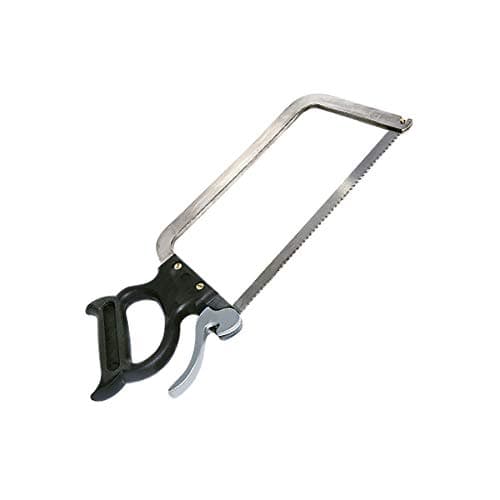
Meat Saws for Home Butchering: Hand Saws First
Four hand saws from 20 to 25 in and two electric bandsaws for heavy seasons, compared on blade, frame, tension and what each listing leaves out.
Top pick: Weston 22 in Butcher Meat and Bone Saw (47-2201) · 6 picks
$53.95Amazon#ad · Price as of Sep 19, 2026 · Affiliate disclosure for the link to Weston 22 in Butcher Meat and Bone Saw (47-2201)
Head to head
Comparisons
Head to head
Is It Cheaper to Process Your Own Deer? The Break-Even Math
The break-even deer count for home processing gear, from six named processors' published per-deer fees and live gear prices. Sausage and jerky move the math most.
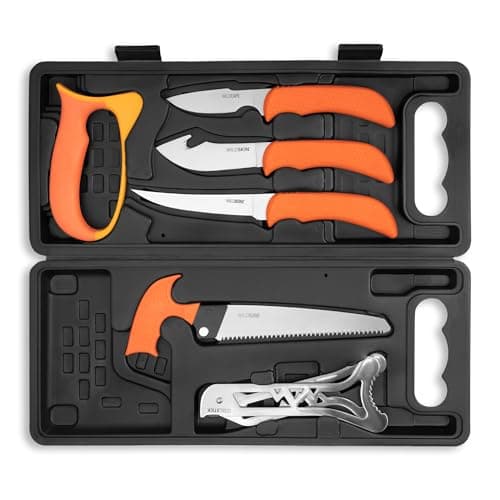
Featured: Outdoor Edge WildPak 8-Piece Processing Kit
$49.99Amazon#ad · Price as of Sep 19, 2026 · Affiliate disclosure for the link to Outdoor Edge WildPak 8-Piece Processing Kit
Head to head
Boning Knife vs Fillet Knife: Which One Belongs on a Deer
A 6 in semi-stiff boning knife vs an 8 in flexible fillet knife, compared on Victorinox's own specs, with a clear answer for deer.
Featured: Victorinox Fibrox Pro 6 in Curved Boning Knife, Semi-Stiff
$25.50Amazon#ad · Price as of Sep 19, 2026 · Affiliate disclosure for the link to Victorinox Fibrox Pro 6 in Curved Boning Knife, Semi-Stiff
Know-how
Guides
Guide
How Much Meat You Get From a Deer, Buck or Doe
About 52 lb of venison from an average whitetail (48.52% of field-dressed weight, Ohio DNR). Buck vs doe yields, how much ends up ground, and a 1-6 deer season table.
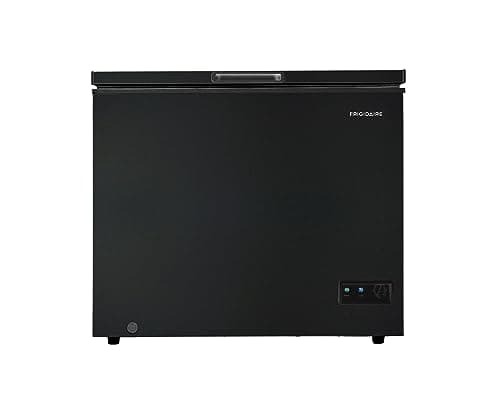
Featured: Frigidaire EFRF7003 7.0 Cu. Ft. Chest Freezer
$381.78Amazon#ad · Price as of Sep 19, 2026 · Affiliate disclosure for the link to Frigidaire EFRF7003 7.0 Cu. Ft. Chest Freezer
Guide
How Much Meat Comes From Half a Cow, and How Much Freezer It Takes
Half a beef comes home as roughly 190-280 lb of packaged meat in extension examples, from a side hanging at about 300-380 lb. Ground share, cut choices and freezer space.
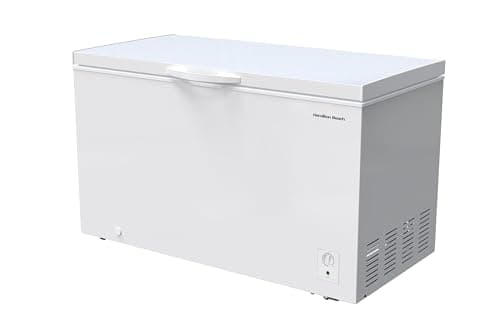
Featured: Hamilton Beach 14 Cu. Ft. Chest Freezer (HBFRF1497)
$743.66Amazon#ad · Price as of Sep 19, 2026 · Affiliate disclosure for the link to Hamilton Beach 14 Cu. Ft. Chest Freezer (HBFRF1497)
Guide
How to Process a Deer at Home, Stage by Stage
The five stages of home deer processing, the 40°F rule from extension food-safety guidance, a CWD and transport check, and the tools for each stage.
Featured: Outdoor Edge Game Processor PR-1 12-Piece Kit
$67.95Amazon#ad · Price as of Sep 19, 2026 · Affiliate disclosure for the link to Outdoor Edge Game Processor PR-1 12-Piece Kit
Filed elsewhere, written for you
Also worth reading
Meat Grinders
What Size Meat Grinder Do You Need? #5 to #32, Sized by Season
A size chart from #5 to #32: plate diameters from LEM's own parts pages, the motor range in current listings, and the season tier each size fits, with the Ohio DNR yield math shown.
Featured: LEM BigBite #8 Electric Meat Grinder
$395.99Amazon#ad · Price as of Sep 19, 2026 · Affiliate disclosure for the link to LEM BigBite #8 Electric Meat Grinder
Freezers & Storage
How Much Freezer Space Does a Deer Take? The Math, Deer by Deer
One average deer takes about 2.1-2.6 cu ft of freezer. The sourced math for 1 to 6 deer, buck and doe rows, and how fast a freezer can freeze it.
Featured: Frigidaire EFRF7003 7.0 Cu. Ft. Chest Freezer
$381.78Amazon#ad · Price as of Sep 19, 2026 · Affiliate disclosure for the link to Frigidaire EFRF7003 7.0 Cu. Ft. Chest Freezer
Vacuum Sealers
The Best Vacuum Sealers for Wild Game, Ranked on Back-to-Back Sealing
Seven vacuum sealers ranked for sealing a whole deer in one sitting, with a duty-cycle column taken straight from each manual.
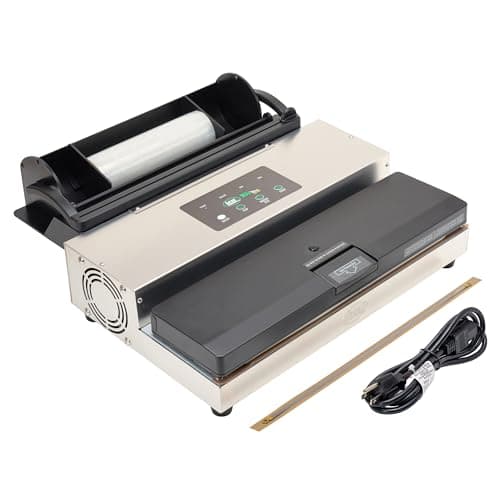
Top pick: LEM MaxVac 500 Vacuum Sealer · 7 picks
$369.99Amazon#ad · Price as of Sep 19, 2026 · Affiliate disclosure for the link to LEM MaxVac 500 Vacuum Sealer