Stage 05 · Freeze
Freezers & Storage
Every season ends in the freezer, and it is usually full by the second deer. We size freezers from published yield and packing-density data, show the arithmetic, and rank the chest freezers that fit each season.
We earn a commission if you buy through our links, at no extra cost to you. It never decides the ranking — the method is published · Affiliate disclosure
Start here
The Best Chest Freezers for Meat, Ranked by the Deer They Hold
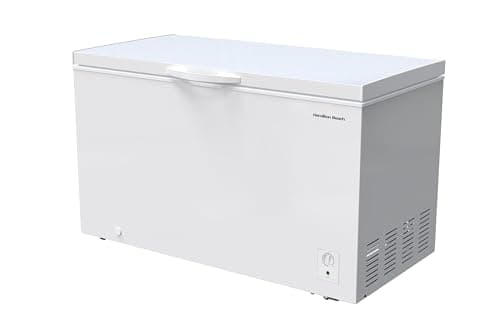
Our top pick: Hamilton Beach 14 Cu. Ft. Chest Freezer (HBFRF1497) — The only chest here with a written garage rating (0°F to 110°F surroundings) plus a published energy figure. Buy this one if your freezer lives in the garage.
#ad · Price as of Sep 19, 2026 · Affiliate disclosure for the link to Hamilton Beach 14 Cu. Ft. Chest Freezer (HBFRF1497)
Start with the math, not the showroom
Freezer listings sell cubic feet. What you need to know is how many deer that is, and nobody on the box will tell you. So we work it out from two published numbers. The Ohio Division of Wildlife weighed the venison from 115 deer and found an average of 52.19 lb per deer. The Good Meat Project says a cubic foot of freezer realistically holds 20-25 lb of meat, well short of the perfect-pack figure people like to quote. Divide one by the other and an average deer takes about 2.1-2.6 cu ft.
That single number sorts the whole category. Two deer need 4.2-5.2 cu ft, so a 5 cu ft chest is already full. Three need 6.3-7.9, five need 10.4-13.1, and six need 12.5-15.7. Your deer may differ; Ohio's own report says shot placement and butchering skill move the yield. The full table, with buck and doe rows and the steps to redo it for your own animals, is in how much freezer space a deer takes. If you buy beef by the side, the numbers climb fast. A half beef in the University of Maine's worked example is 280 lb of boneless cuts, which works out in what size freezer you need for half a cow.
How the category divides
Chest or upright. ENERGY STAR puts a certified chest freezer at about 215 kWh a year and a certified upright at about 395, and the Good Meat Project says an upright holds slightly less meat than a chest of the same size. The upright buys you shelves, eye-level access and, on frost-free models, no defrost weekends. For storing a season of venison, the chest wins on both capacity and power; the trade is laid out in chest vs upright freezer.
Small, mid and large. The Good Meat Project groups freezers as compact (about 5 cu ft), small (6-9), medium (12-18) and large (18-25). For a hunter those line up with season tiers. A 5-7 cu ft chest is a one-or-two-deer freezer, covered in the best small chest freezers. Ten to fourteen cubic feet covers three to five deer. Past that, you are in six-deer or half-beef territory.
The storage side. Freezer paper, bags and bins cost a fraction of the freezer and decide how the meat tastes in February, and whether you can find it.
What decides the price, and what the price hides
You pay more for cubic feet, for frost-free operation, and sometimes for a brand name. You don't reliably pay more for the two things that matter most in a hunter's garage. The first is a written garage rating. Of the chests we rank, only the Hamilton Beach 14 cu ft has one in its manual (0°F to 110°F surroundings), while BLACK+DECKER's chest manual says its freezers are not designed to operate below 55°F. The second is a published energy figure. Some makers post the EnergyGuide label and some don't, and the labels we found show bigger chests using less energy per cubic foot than small ones. Check both before you buy; neither shows up in the price.
ENERGY STAR's own advice is to keep a freezer indoors, such as in a basement, unless you live in a mild climate, because extreme temperatures are hard on the compressor. If the garage is the only spot, buy for it on purpose.
The mistake upgraders make
Buying exactly the size the math says. A freezer's storage capacity is not its freezing capacity. NDSU Extension says to add only as much unfrozen food as will freeze in 24 hours, usually 2-3 lb per cubic foot. At that rate a 7 cu ft chest takes several days to freeze one average deer, while a 14 cu ft chest does it in a day or two. Buy a size up, pre-chill the freezer before processing day, and freeze packages in a single layer before stacking them, as the USDA recommends.
The second mistake is treating the freezer as the whole job. The USDA describes freezer burn as dry, grayish-brown spots where air reached the meat. It won't make you sick, but it ruins the cut. A good freezer holds 0°F; only the package keeps air off. That is the argument in freezer paper vs vacuum sealing, and the step-by-step is in how to package deer meat for the freezer. Once it is wrapped, a few lift-out bins and a lid inventory keep a chest from turning into a pit; see chest freezer organization.
Which freezer for which season
- 1-2 deer (light): a 7 cu ft chest. It holds both average deer (104 lb) with room left for groceries. A 5 cu ft chest works for one deer.
- 3-5 deer (moderate): 12-14 cu ft. Five average deer need 10.4-13.1 cu ft on their own.
- 6+ deer or a half beef (heavy): 14-16 cu ft or more, kept where the maker's rating allows.
Every pick is ranked, with its capacity in deer, its garage rating and its EnergyGuide figure, in the best chest freezers for meat. The yield data behind all of it is the Ohio DNR venison yield report, and the packing range is from the Good Meat Project.
Ranked
Our picks
Our picks
The Best Chest Freezers for Meat, Ranked by the Deer They Hold
Seven chest freezers ranked by how many deer each holds at realistic packing, whether the maker rates it for a garage, and its EnergyGuide figure.
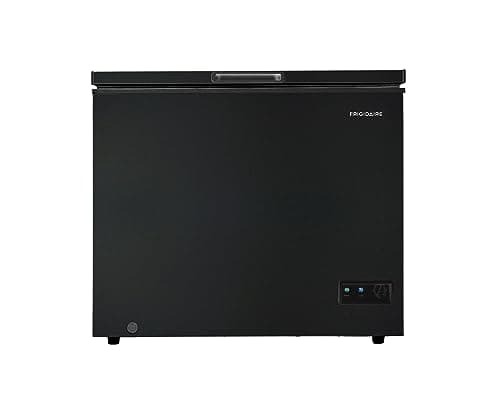
Top pick: Hamilton Beach 14 Cu. Ft. Chest Freezer (HBFRF1497) · 7 picks
$743.66Amazon#ad · Price as of Sep 19, 2026 · Affiliate disclosure for the link to Hamilton Beach 14 Cu. Ft. Chest Freezer (HBFRF1497)
Our picks
Small Chest Freezers for a One- or Two-Deer Season
5 and 7 cu ft chest freezers for the one- or two-deer household: what each really holds, what it burns and how fast it freezes a deer.
Top pick: Frigidaire EFRF7003 7.0 Cu. Ft. Chest Freezer · 4 picks
$381.78Amazon#ad · Price as of Sep 19, 2026 · Affiliate disclosure for the link to Frigidaire EFRF7003 7.0 Cu. Ft. Chest Freezer
Head to head
Comparisons
Head to head
Chest vs Upright Freezer: Which One Holds a Season of Meat Better?
A 14 cu ft chest vs a 14 cu ft upright: energy from the labels, capacity for a deer season, garage ratings and when access is worth the power.
Featured: Hamilton Beach 14 Cu. Ft. Chest Freezer (HBFRF1497)
$743.66Amazon#ad · Price as of Sep 19, 2026 · Affiliate disclosure for the link to Hamilton Beach 14 Cu. Ft. Chest Freezer (HBFRF1497)
Head to head
Freezer Paper vs Vacuum Sealing: Which Wrap Protects Venison Better?
Freezer paper vs a vacuum sealer for a season of venison: freezer burn, bone-in cuts, labeling and a whole deer in one sitting.
Featured: Weston Heavy-Duty Freezer Paper Roll, 15 in x 150 ft (83-4000-W)
$22.99Amazon#ad · Price as of Sep 19, 2026 · Affiliate disclosure for the link to Weston Heavy-Duty Freezer Paper Roll, 15 in x 150 ft (83-4000-W)
Know-how
Guides
Guide
How Much Freezer Space Does a Deer Take? The Math, Deer by Deer
One average deer takes about 2.1-2.6 cu ft of freezer. The sourced math for 1 to 6 deer, buck and doe rows, and how fast a freezer can freeze it.
Featured: Frigidaire EFRF7003 7.0 Cu. Ft. Chest Freezer
$381.78Amazon#ad · Price as of Sep 19, 2026 · Affiliate disclosure for the link to Frigidaire EFRF7003 7.0 Cu. Ft. Chest Freezer
Guide
What Size Freezer for Half a Cow? Sizing From the Hanging Weight
Plan on 11-14 cu ft for a half beef: University of Maine's take-home weights through a realistic packing range, plus a half beef and a deer season in one freezer.
Featured: Hamilton Beach 14 Cu. Ft. Chest Freezer (HBFRF1497)
$743.66Amazon#ad · Price as of Sep 19, 2026 · Affiliate disclosure for the link to Hamilton Beach 14 Cu. Ft. Chest Freezer (HBFRF1497)
Guide
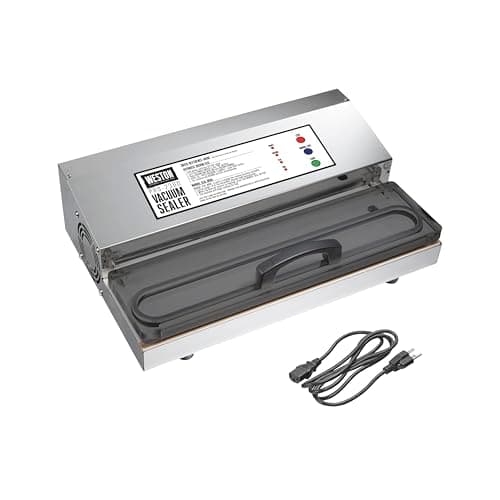
How to Package Deer Meat So It Comes Out of the Freezer Tasting Right
Vacuum sealing, butcher wrap and freezer bags for venison, step by step, with USDA and extension guidance on air, labeling and freezing fast.
Featured: Weston Pro-2300 Vacuum Sealer
$474.45Amazon#ad · Price as of Sep 19, 2026 · Affiliate disclosure for the link to Weston Pro-2300 Vacuum Sealer
Guide
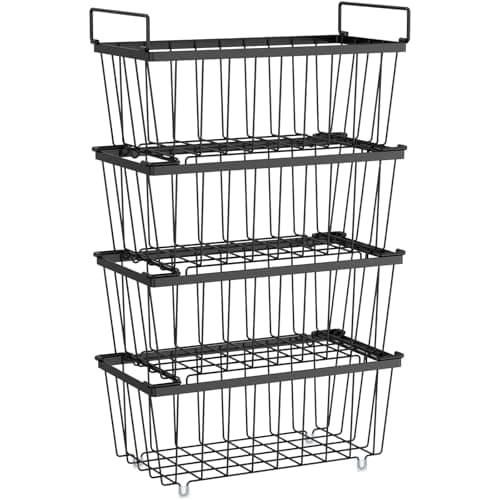
Chest Freezer Organization: A System for Finding the Backstrap in February
Zones by cut, bins that lift out, an inventory on the lid and a rotation based on USDA storage times: a chest freezer system for a season of venison.
Featured: iSPECLE Freezer Organizer Bins for 7 Cu. Ft. Chests (4-Pack)
$28.89Amazon#ad · Price as of Sep 19, 2026 · Affiliate disclosure for the link to iSPECLE Freezer Organizer Bins for 7 Cu. Ft. Chests (4-Pack)
Filed elsewhere, written for you
Also worth reading
Home Processing
How Much Meat You Get From a Deer, Buck or Doe
About 52 lb of venison from an average whitetail (48.52% of field-dressed weight, Ohio DNR). Buck vs doe yields, how much ends up ground, and a 1-6 deer season table.
Featured: Frigidaire EFRF7003 7.0 Cu. Ft. Chest Freezer
$381.78Amazon#ad · Price as of Sep 19, 2026 · Affiliate disclosure for the link to Frigidaire EFRF7003 7.0 Cu. Ft. Chest Freezer
Vacuum Sealers
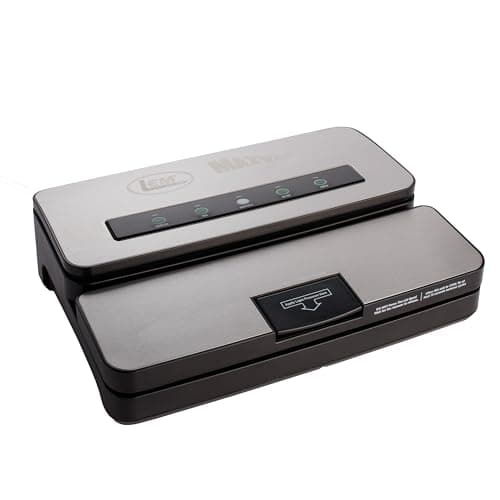
How Long Vacuum-Sealed Deer Meat Lasts in the Freezer
USDA freezer quality times for venison and other meat, the 0°F safety rule, and what sealer makers claim, with sources.
Featured: LEM MaxVac 250 Vacuum Sealer
$219.99Amazon#ad · Price as of Sep 19, 2026 · Affiliate disclosure for the link to LEM MaxVac 250 Vacuum Sealer
Home Processing
How Much Meat Comes From Half a Cow, and How Much Freezer It Takes
Half a beef comes home as roughly 190-280 lb of packaged meat in extension examples, from a side hanging at about 300-380 lb. Ground share, cut choices and freezer space.
Featured: Hamilton Beach 14 Cu. Ft. Chest Freezer (HBFRF1497)
$743.66Amazon#ad · Price as of Sep 19, 2026 · Affiliate disclosure for the link to Hamilton Beach 14 Cu. Ft. Chest Freezer (HBFRF1497)